close
Choose Your Site
Global
Social Media

Author: Site Editor Publish Time: 2026-02-02 Origin: Site


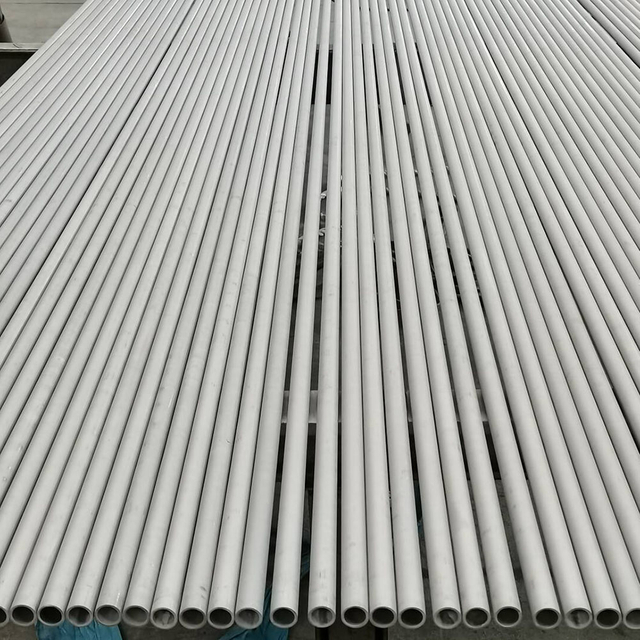
A thin wall tube can fail from one small drift. A scratch, a dent, or a tiny wall change can ruin the batch. That is why a thin wall stainless steel tube is hard to produce well.
In this guide, we explain how to produce thin wall stainless steel tube in real plants. You will learn the main routes, key reduction and annealing steps, and the QC checks that keep size and surface stable.
There is no single global line that defines “thin wall.” In practice, many buyers use the term for tubing below about 1.5 mm wall, and often far thinner. Some precision tubes go down to 0.3 mm, 0.2 mm, or even less in special cases. As wall thickness drops, the tube becomes more sensitive to force, heat, and handling. A small setup error can cause cracks or wrinkles.
Thin walls change how the tube behaves during drawing, bending, and welding. They also change how it seals in fittings. Because of this, the production route must control reduction steps, heat treatment, and surface condition very carefully. The goal is not only to reach the target size, but also to keep the wall uniform and the shape round across the full length.
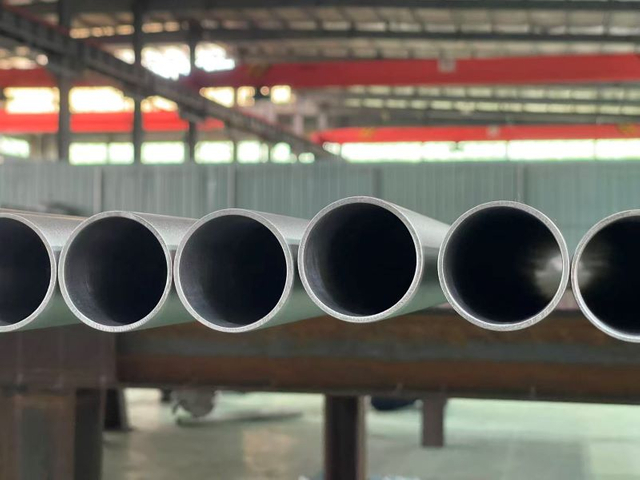
When buyers ask for a thin wall stainless steel tube, they usually care about three things. They want uniform wall thickness, good concentricity, and clean surfaces. Uniform wall keeps strength and flow stable. Good concentricity keeps bending and fitting assembly safe. Clean surfaces protect sealing points and reduce contamination risk.
These targets are linked. If wall control fails, concentricity often fails too. If surface care fails, thin walls show scratches or marks faster. Because the margin is small, producers must control each step. They also need to record data and stop the line when drift appears. In thin wall work, small errors grow fast and scrap grows faster.
Thin wall tubing appears in many weight sensitive and precision systems. Medical devices, analytical equipment, heat exchangers, and compact fluid lines often use it. In these fields, designers want low weight, fast heat transfer, or tight space routing. They also want smooth internal surfaces for flow or cleaning.
These applications do not accept wide tolerances or rough finishes. They also often require long, straight lengths or very small diameters. That combination pushes producers toward multi-step cold work and careful heat treatment. It also explains why thin wall tubing costs more per kilogram than standard tubing.
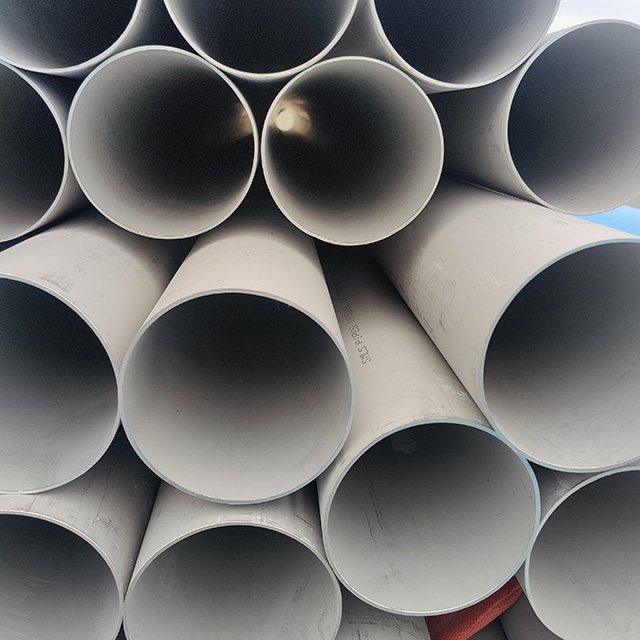
Every good tube starts from good material. For seamless routes, the starting point is a billet or a hollow. For welded routes, it is a stainless strip. In both cases, chemistry and cleanliness matter. Small inclusions or surface defects may survive early steps, then break through after heavy reduction.
Producers check heat numbers, composition, and surface quality before production starts. They also check hardness and structure when needed. If the input is unstable, the output will be worse. Thin wall work gives no room for poor input. It only amplifies every weakness that enters the line.
There are two main routes to make a thin wall stainless steel tube. One route is seamless, starting from a solid billet or hollow shell. The other route is welded and drawn, starting from strip that is formed and welded into a tube. Both routes can reach thin walls, yet they differ in cost, size range, and risk profile.
The seamless route avoids a weld seam, which helps in some critical uses. The welded and drawn route often offers better cost and faster size changes. The final choice depends on size, tolerance, surface needs, and order volume. Many factories run both routes for different markets.
Route | Starting form | Main advantage | Main limit |
Seamless | Billet or hollow | No weld seam, high integrity | Higher cost, size change takes time |
Welded & drawn | Strip | Better cost, flexible sizes | Needs seam control and cleaning |
In the seamless route, the billet is heated and pierced or extruded into a hollow shell. This shell is thick and far from the final size, yet it has the basic tube shape. In the welded route, the strip is slit to width, then roll formed into a round shape. A welding process joins the edges into a tube.
At this stage, the tube is only a blank. Its wall is thick, its size is rough, and its surface needs work. Still, the quality here sets limits for later steps. A poor weld or a bad shell will not improve by drawing. It will only become more visible.
Cold reduction is the core step for thin wall production. The tube passes through dies, and often over a plug or mandrel. Each pass reduces outside diameter and wall thickness. Some lines use cold drawing, others use cold pilgering for higher control. Reduction happens in many small steps, not in one large step.
Each pass adds work hardening. Each pass also adds risk of surface damage or shape drift. Because of this, producers plan the reduction schedule carefully. They balance speed, reduction rate, and tool life. The aim is steady progress without cracks or wrinkles.
Cold work makes stainless steel harder and less ductile. If producers keep drawing without heat treatment, the tube will crack. So they stop after some passes and anneal the tube. Bright annealing or vacuum annealing restores ductility and keeps the surface clean.
The annealing schedule is part of the process design. Too little annealing causes cracks. Too much annealing wastes time and energy. For thin wall tubing, annealing also helps control residual stress and straightness. After annealing, the tube can accept more reduction safely.
Lubrication protects the tube and the tools during drawing. Soap, oil, or special compounds reduce friction and surface damage. Still, these lubricants must be removed later. So producers add washing and cleaning steps between passes or after key stages.
Surface care matters more as the wall gets thinner. A small scratch that looks harmless on thick tube can break a thin wall tube during later passes. Clean tools, clean coolant, and clean handling areas are part of the process, not optional extras.
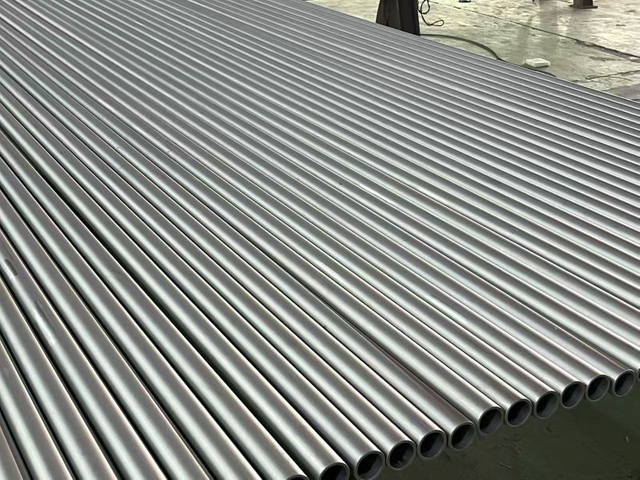
In the final stage, the tube reaches its target size. Producers use sizing passes to lock in OD and wall. They also straighten the tube to meet straightness limits. Then they cut it to ordered lengths and prepare the ends.
Final inspection happens here as well. If size, surface, or straightness fails, the tube cannot move forward. In thin wall work, the final step often decides the yield of the whole batch.
Stage | Main goal | Key risk |
Blank making | Create tube form | Weld or shell defects |
Cold reduction | Reach thin wall | Cracks, wall drift |
Annealing | Restore ductility | Oxidation, distortion |
Final sizing | Lock in dimensions | Ovality, scratches |
Tip: Thin wall production works best with many small reductions, not one large step.
The seamless route starts from a solid billet. The billet is heated and pierced or extruded to form a hollow shell. This shell has thick walls and rough size, yet it has no weld seam. That gives it a uniform structure from the start.
The quality of piercing or extrusion matters a lot. If the inner surface is rough or off center, later drawing must fix it. In thin wall targets, there is little room to fix big errors. So seamless producers invest in good piercing tools and careful temperature control.
After the shell is ready, producers reduce it by cold drawing or cold pilgering. Cold drawing pulls the tube through a die, often over a plug or mandrel. Cold pilgering uses a rolling action that reduces size step by step along the length.
Pilgering often gives better wall control and concentricity, especially for very thin walls. It also allows large total reduction over several cycles. Drawing is simpler and faster for moderate sizes. The choice depends on size range, tolerance, and equipment in the plant.
Tooling defines surface and size quality. Dies, plugs, and mandrels must match the target reduction and finish. Poor tool alignment can cause scratches or uneven wall. Worn tools can cause chatter marks or size drift.
Lubrication works together with tooling. It reduces friction and heat, and it protects both tube and tools. For thin wall work, stable lubrication is a quality factor, not only a cost factor. If lubrication fails, scrap appears fast.
The welded route starts from stainless strip. The strip is slit to the right width, then roll formed into a round shape. The forming process must keep edges aligned and shape stable before welding.
Strip quality matters here. Edge condition, flatness, and surface finish all affect the weld and later drawing. If the strip is poor, the seam will be hard to control. For thin wall targets, producers usually choose high quality strip with tight thickness tolerance.
The formed tube is welded by TIG, laser, or high frequency methods. The goal is a stable, narrow seam with good penetration and low heat input. Excessive heat can change structure and make later drawing harder.
After welding, many lines remove or smooth the internal and external bead. This helps later drawing and improves inside surface quality. For thin wall products, seam control is critical, because the seam area will also become thin during reduction.
After welding and bead treatment, the tube goes through sizing rolls to stabilize its shape. Then it is annealed to remove welding stress and restore ductility. From this point, the tube enters a drawing process similar to the seamless route.
Plug drawing or mandrel drawing can also improve the inside surface and blend the seam area. With enough passes, the final product can have a very smooth ID and stable wall, even though it started from a welded tube.
Note: For very tight ID surface needs, welded and drawn routes can perform surprisingly well.
Dimensional control is the heart of thin wall quality. Producers measure OD and wall at many points along the tube and around its circumference. They also check ovality and straightness. Because the wall is thin, small tool or setup drift shows up fast.
Many lines use in line gauges for quick feedback, then confirm with lab tools. The goal is not only to meet the average value, but also to control the minimum wall. In many applications, the minimum wall decides acceptance.
Depending on the use, producers may add eddy current or ultrasonic testing. These methods help find cracks, laps, or seam issues without cutting the tube. For thin walls, early detection saves a lot of waste.
Producers also use visual inspection and surface roughness checks. Thin walls show defects more clearly, so surface standards are often stricter than for thick tubes.
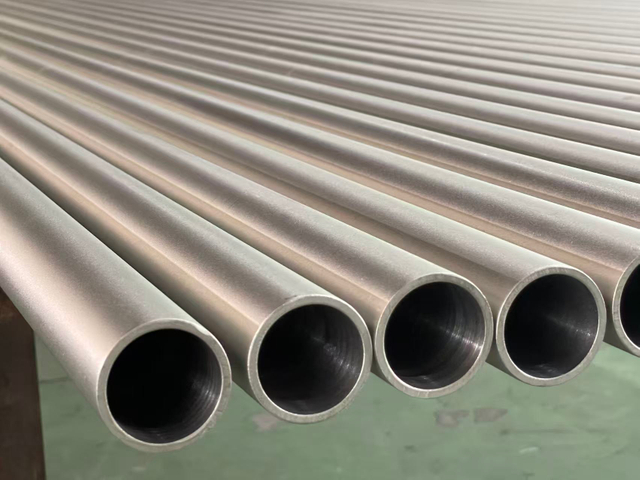
Surface finish is not only about looks. It affects corrosion resistance, cleaning, and sealing. After drawing and annealing, tubes are cleaned to remove oil and soap. Some are passivated to improve corrosion behavior.
Clean handling and packing are part of quality control too. A scratch during packing can ruin the value of a precision tube. For thin wall products, protection during storage and transport matters almost as much as production.
Control item | Why it matters | Typical method |
OD and wall | Strength and fit | Micrometer, ultrasonic |
Ovality | Bending and sealing | Multi point caliper check |
Surface | Corrosion and sealing | Visual, roughness test |
Defects | Reliability | Eddy current or UT |
Tip: Always specify minimum wall, not only nominal wall, in critical orders.
Stainless steel work hardens fast during cold reduction. Thin walls reach the limit sooner than thick walls. If annealing is late or reduction is too heavy, cracks appear. These cracks may be small at first, yet they grow in later passes.
To avoid this, producers use small reduction steps and strict annealing schedules. This lowers speed and raises cost, yet it keeps yield acceptable. Thin wall production is a balance between patience and precision.
Thin wall tubes bend and dent easily. Long lengths make this worse. During cleaning, drying, or transport between machines, tubes can touch each other or the floor. A small impact can cause a local dent that later breaks the tube.
So producers use guides, rollers, and careful racks. They also limit bundle weight and layer height. Handling looks simple, yet it is a real quality factor in thin wall work.
Bright annealing keeps the surface clean and shiny, yet it costs more and needs controlled atmosphere. Pickled annealing is cheaper, yet it needs later cleaning and can change surface texture. The choice affects lead time, cost, and surface result.
For very thin walls and clean surface needs, bright annealing is often preferred. Still, each project must balance cost and requirement. There is no single best answer.
Note: Non standard OD often means new tools, which adds time and cost.
A thin wall stainless steel tube needs tight control at every step. Producers start from clean billet or strip, form a tube blank, then use multi-pass cold reduction. They add intermediate annealing to restore ductility. They also protect surfaces through lubrication, cleaning, and careful handling. Final QC focuses on minimum wall, ovality, and finish.
For buyers who need stable output, Zhejiang Xintongda Special Steel Manufacturing Co., Ltd. can support thin wall tubing needs through disciplined manufacturing and inspection. They offer stainless seamless tube options, wide size coverage, and custom lengths. Their standards-based quality and responsive support help reduce scrap and speed approvals.
A: A thin wall stainless steel tube has very small wall thickness and needs tight control of wall uniformity, ovality, and surface finish.
A: Use multi-pass cold reduction, add intermediate annealing to restore ductility, and keep reductions small and stable.
A: Seamless avoids a weld seam, while welded & drawn can be cost-efficient and achieve smooth ID after plug drawing.
A: Measure OD and minimum wall at many points, check ovality and straightness, and use surface inspection plus NDT when needed.
A: It needs more passes, more tooling care, more cleaning, and stricter inspection, so yield and cycle time drive cost.